

Foot Pain When Running: Common Causes and What to Do
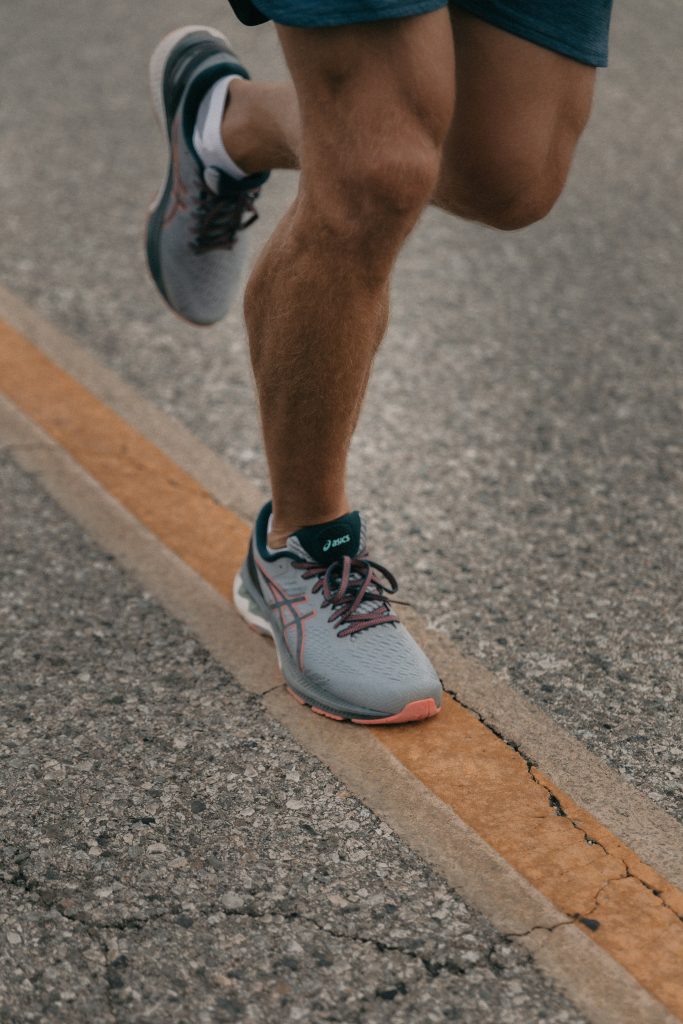
Whether you’re training for your first 5K, preparing for a marathon or simply enjoy getting out for a run each week, foot pain can quickly take the enjoyment out of it.
Running places repeated loads through your feet, ankles and lower limbs. Your body is designed to adapt to these demands, but problems can develop when the load you’re placing on your body exceeds what it is currently able to tolerate.
The good news is that foot pain doesn’t necessarily mean you have to stop running.
Understanding why your pain is occurring, recognising changes in your training and getting the right advice can help you manage problems early and get back to doing what you enjoy.
At Manor Podiatry, we take an individual approach to running-related problems. We don’t believe that every painful foot needs the same treatment - and we don’t automatically prescribe orthotics simply because someone has foot pain or a particular foot shape.
Is it normal for your feet to hurt after running?
There’s an important difference between normal post-exercise fatigue and pain that may indicate a problem.
After a challenging run, your muscles may feel tired, stiff or achy. This usually settles as your body recovers.
Pain is different.
It’s worth paying attention if your symptoms:
● Keep returning every time you run
● Become progressively worse during a run
● Change the way you walk or run
● Remain for a prolonged period after exercise
● Become more frequent or intense
● Cause swelling or significant tenderness
● Prevent you from completing your normal activities
You don’t necessarily need to stop all activity at the first sign of discomfort. Equally, repeatedly running through worsening pain isn’t always the best approach.
The important question is:
Why is the pain occurring, and how is it behaving?
Where does your foot hurt when you run?
The location of your pain can provide useful clues, although pain location alone isn’t enough to diagnose an injury.
Pain under your heel
Pain around the underside of the heel is commonly associated with plantar heel pain.
It may be particularly noticeable with your first few steps after getting out of bed or after sitting for a while. Some runners find that symptoms ease as they move, only for the pain to return later.
The plantar fascia is one structure that can contribute to heel pain, but there are several possible causes. An assessment can help determine what is most likely contributing to your symptoms.
Pain in the arch of your foot
Arch pain can have several causes, including problems involving the plantar fascia, muscles or tendons, changes in training load or footwear.
Persistent arch pain, particularly if accompanied by swelling, bruising or difficulty bearing weight, should be assessed.
Pain in the ball of your foot
Pain beneath the forefoot is often described as metatarsalgia.
Runners may experience aching, burning, tingling, stabbing, a sensation that there is a stone underneath the foot and many more…
Changes in training, footwear and the way load is distributed through the forefoot can all contribute.
Pain between your toes
Runners can experience all sorts of toe and forefoot pain, from corns, blisters and bruised nails to burning or tingling associated with Morton’s neuroma. Pain between the toes, a feeling of a pebble in the shoe, or pressure under the toes can all make running uncomfortable.
Footwear that compresses the forefoot may aggravate symptoms.
Big toe pain
Pain around the big toe can occur for several reasons, including joint stiffness, arthritis, tendon problems or increased loading through the joint.
If the big toe becomes stiff or painful during push-off, it can alter how you move and potentially affect other areas of the foot and lower limb.
Pain around the outside of your foot
Pain on the outside of the foot may involve the muscles or tendons around the foot and ankle, but there are several possible causes.
Sudden pain following a change in training, an awkward landing or a twisting injury deserves particular attention.
Achilles pain
Pain or stiffness around the Achilles tendon is common in runners, particularly when training load changes.
It may initially feel stiff at the beginning of activity and become more noticeable as training progresses.
Achilles problems often respond to appropriately managed loading rather than simply complete rest.
Why do runners develop foot pain?
There isn’t always one single cause.
Running injuries are often multifactorial, meaning several factors can contribute at the same time.
1. A sudden increase in training
This is one of the most important factors to consider.
You may increase:
● Distance
● Running frequency
● Speed
● Hill work
● Interval training
● Long-run duration
● Overall training intensity
Your cardiovascular fitness can sometimes improve faster than your muscles, tendons and bones can adapt to increased mechanical loading.
This is one reason someone can feel extremely fit but still develop a foot or tendon problem after suddenly increasing their mileage.
2. Changes to your running
It’s not just mileage that matters.
Introducing hills, speed sessions, intervals or longer runs can significantly change the demands placed on your body.
Even returning to running after a period away can represent a substantial change in load.
Your body needs time to adapt.
This doesn’t mean you should be afraid of increasing your training. Progressive loading is an important part of becoming a stronger and more capable runner.
The key is allowing your body enough time to adapt to the changes you’re making.
3. Changes in running surface
Moving between treadmill, road, grass, trails, hills or uneven terrain changes the demands placed on your feet and lower limbs.
No particular surface is automatically “bad” for you.
However, a sudden change in where and how you run can represent a change in the load your body is experiencing.
4. Your running shoes
Running shoes matter, but there is no universally “correct” running shoe.
The best shoe for you is one that is comfortable, fits well and is appropriate for the type of running you do.
When choosing running shoes, consider:
Fit: Your toes should have enough room to move without your foot sliding around inside the shoe.
Comfort: The shoe should feel comfortable from the beginning. You shouldn’t have to endure significant discomfort while waiting for it to “break in”.
Your running: The shoe you choose for occasional short runs may not be the same shoe you’d choose for marathon training or trail running.
Wear: Running shoes don’t have an exact expiry date. How quickly they wear depends on factors such as mileage, the shoe itself, your running and the surfaces you use.
If your shoes are visibly worn, feel noticeably different or are no longer comfortable, it may be time to replace them.
Do runners need insoles or orthotics?
Not necessarily.
Foot orthoses can be useful for some people and some specific conditions, but they are not automatically required simply because you have foot pain, flat feet, high arches or a particular running style.
At Manor Podiatry, we don’t believe in treating every runner with the same solution.
Before considering an orthotic, it’s important to understand what is causing the problem and what factors may be contributing to it.
This may include:
● Training load
● Recent changes in activity
● Strength and conditioning
● Recovery
● Footwear
● Previous injuries
● How your symptoms behave
For some runners, the most appropriate management may involve modifying their training and gradually building their capacity rather than using an orthotic.
For others, an orthotic may be a useful part of a wider treatment plan.
The aim isn’t to change your feet simply because they look or move a certain way. The aim is to find an approach that is appropriate for you and your particular problem.
Should you run through foot pain?
This is one of the most common questions runners ask.
The answer isn’t simply yes or no.
Some running-related problems can be managed while maintaining a modified level of activity. In other situations, continuing to run may increase irritation of the affected tissue.
A useful starting point is to consider whether your symptoms are:
Stable
Your symptoms remain relatively consistent and don’t significantly interfere with your activity.
Improving
Your symptoms are gradually settling despite appropriately modified activity.
Worsening
Your pain is becoming more intense, lasting longer, occurring earlier in your run or beginning to affect your walking or everyday activities.
If your symptoms are consistently worsening, it’s a good reason to stop guessing and have the problem assessed.
Can strengthening help runners?
Your feet are active participants in running.
The muscles of your feet and lower limbs help control movement, absorb and transfer forces and contribute to propulsion.
Strength and conditioning can therefore form an important part of running injury management.
Exercises may include:
Calf raises
Controlled calf raises can help develop calf and ankle strength.
Single-leg balance
Standing on one leg challenges the muscles controlling your foot and ankle while also developing balance.
Foot and toe control
Exercises involving control of the big toe and lesser toes can help develop foot strength and coordination.
Lower-limb strengthening
Your feet don’t work in isolation. The calves, knees, hips and core all contribute to running.
The most appropriate exercises depend on the individual, particularly if you’re already experiencing pain.
What about stretching?
Stretching isn’t a universal solution for running injuries.
Some runners find mobility work useful, particularly if they feel restricted in a particular area, but simply stretching a painful structure doesn’t necessarily address why it has become painful.
If you’re repeatedly stretching the same area without improvement, it may be worth considering whether load management, strength, footwear or another factor needs to be addressed instead.
Don’t forget your toenails and skin
Running can be tough on your skin and nails.
Repeated friction and pressure can contribute to:
● Blisters
● Bruised or black toenails
● Thickened toenails
● Ingrown toenails
● Corns and calluses
● Cracked skin
Check your feet regularly, particularly after increasing your mileage or changing footwear.
Keep your toenails trimmed appropriately and avoid cutting down the sides of the nail, particularly if you’re prone to ingrown toenails.
If you repeatedly develop blisters or damaged toenails in the same location, don’t simply accept it as an unavoidable part of running.
It may be possible to identify what is causing the repeated pressure or friction.
Running shouldn’t have to mean running through pain
Being a runner doesn’t mean you have to accept ongoing foot pain.
At the same time, not every ache means you’ve suffered a serious injury.
The most useful approach is to understand the difference.
Pay attention to changes.
Progress your training gradually.
Wear comfortable, appropriate footwear.
Build strength and capacity.
And don’t ignore persistent or worsening symptoms.
Your feet experience thousands of loading cycles during a run. Giving them the right attention can help you stay active and continue doing the sport you enjoy.